Alamat
Malaysia

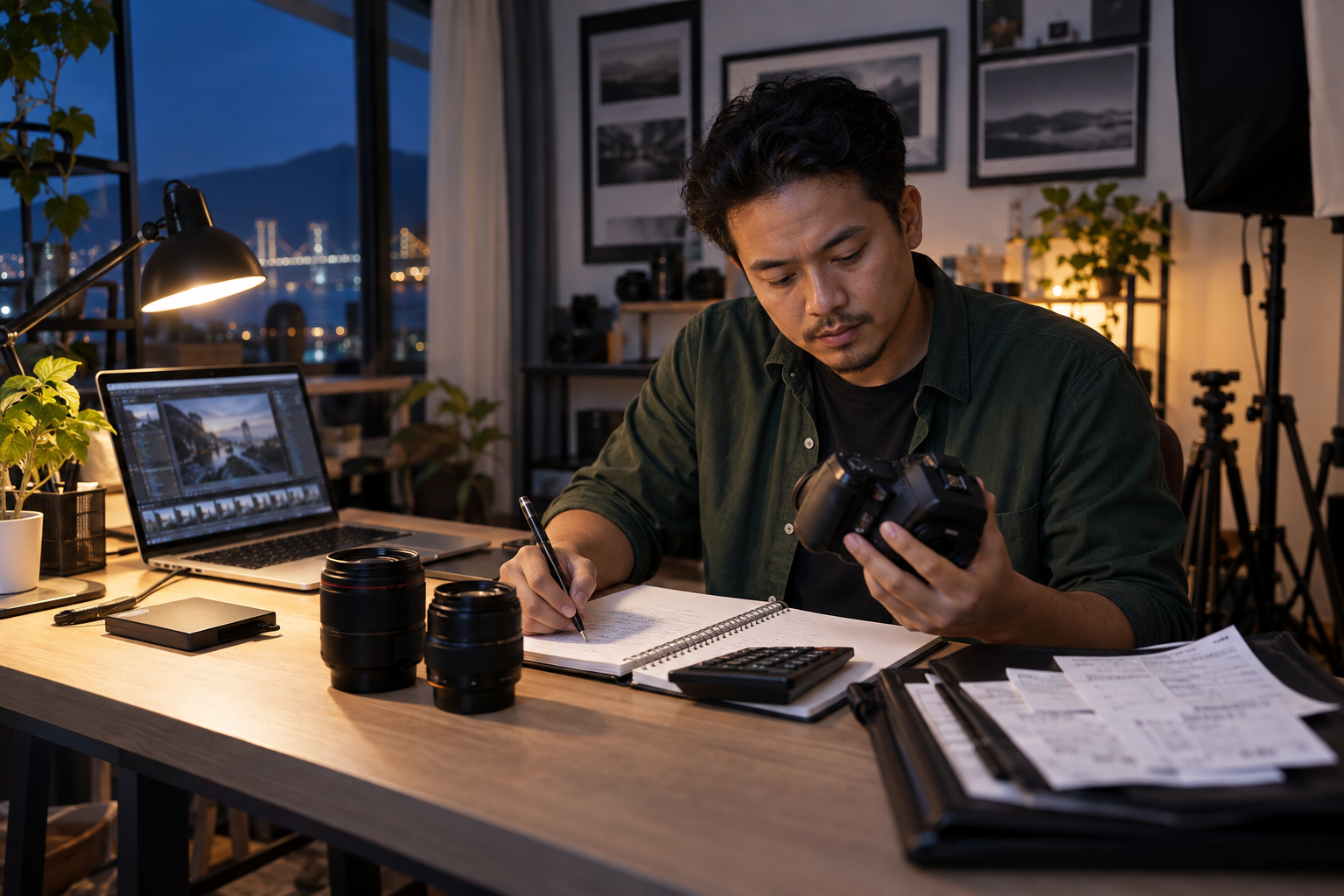

Jason is a freelance photographer in Penang. His calendar looks healthy, clients pay after every job, and his camera still works perfectly. When he charges RM850 for a small business photo session, he usually subtracts travel and helper costs, then treats the rest as income.
That worked until his laptop failed during a busy month. The repair and replacement cost arrived at once, but he had never saved part of each job for equipment. The problem was not a lack of work. His records did not show the full cost of delivering that work.
Equipment is used a little at a time
Jason listed the tools he relies on:
- Camera body: RM7,200
- Two main lenses: RM3,600
- Editing laptop: RM4,800
The total was RM15,600. He estimated that these tools should support about 300 paid jobs before major replacement or upgrades. That gave him a simple equipment cost of RM52 for every job.
The equipment did not become free just because it had already been paid for. Each assignment used a small part of its working life.
An RM850 job has more than direct expenses
For one session, Jason recorded RM120 for travel and parking, RM90 for an assistant, and RM40 for meals and small supplies. Direct costs were RM250, so the job appeared to leave RM600.
He then included RM52 for equipment replacement, RM35 as the job’s share of software and cloud storage, and RM30 for batteries, cleaning and maintenance. The amount available before paying himself fell to RM483.
This did not mean the job was bad. It meant the price had to cover the business today and keep it ready for tomorrow.
Keep a separate equipment reserve
Jason now moves the equipment amount from every completed job into a separate business savings account. He does not wait for a camera to fail before thinking about replacement.
He also records which services use more equipment. A full-day event uses more batteries, storage and editing time than a short product session. Different jobs can therefore need different cost allowances.
Records make pricing calmer
Once Jason knew his real cost, he stopped guessing when clients asked for discounts. He could see the lowest price that still paid for his time, operating costs and future equipment.
Good records do not force every photographer to charge the same amount. They show whether the chosen price can support the way the business actually works.
Try this for seven days
List the main equipment your business depends on and its replacement value. Estimate how many jobs or months it should last, then calculate a simple cost for each sale or service. Record that amount for seven days and move it into a separate reserve whenever possible.
A profitable job should also prepare your business for the next one
KiraLaris helps you record sales and costs so equipment replacement does not become a sudden cash-flow crisis.